
Pleomorphism and the Living Microscopy Revolution: What B�champ, Enderlein, and Naessens Discovered
Health Harmonic Newsletter
Archives
Pleomorphism and the Living Microscopy Revolution: What B�champ, Enderlein, and Naessens Discovered
SIGN UP FOR OUR NEWSLETTER
Pleomorphism and the Living Microscopy Revolution: What Bechamp, Enderlein, and Naessens Discovered |
Why observing living blood reveals truths that conventional microbiology deliberately ignores |
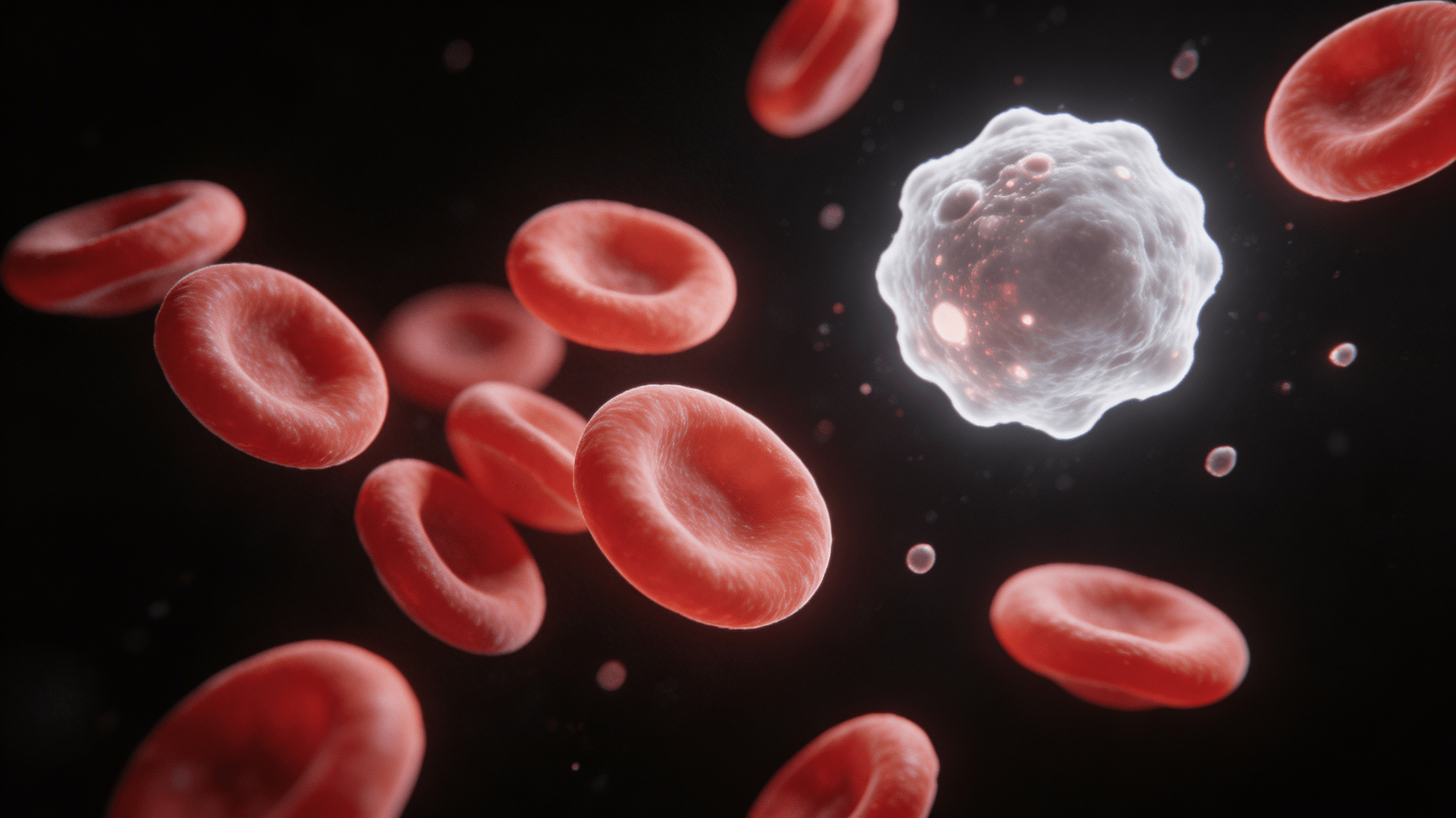 |
The history of microbiology contains a suppressed narrative-one that challenges the very foundations of germ theory and pharmaceutical medicine. Three pioneering researchers across different eras witnessed identical phenomena through their microscopes: microorganisms that transform their shapes and functions based on the internal environment of their host. This discovery, known as pleomorphism, threatens the entire edifice of modern infectious disease theory.
Antoine Bechamp (1816-1908) preceded Louis Pasteur in microbial research and arrived at fundamentally different conclusions. While Pasteur claimed germs cause disease, Bechamp observed that tiny living structures he called microzymas exist in all cells and tissues. These subcellular particles remain stable in healthy tissues but transform into bacteria and fungi when the internal environment degenerates. Disease, in Bechamp vision, represents a response to terrain disruption rather than invasion by external enemies.
Dr. Gunther Enderlein (1872-1968) working in Germany decades later, independently confirmed Bechamp observations. Using advanced darkfield microscopy, Enderlein documented the complete life cycle of what he termed endobionts-primitive microorganisms that cycle through multiple developmental stages from tiny colloid particles to complex fungal forms. His research demonstrated that these organisms exist symbiotically in healthy blood but proliferate pathologically when pH and oxidative balance shift.
Gaston Naessens, working in Quebec from the 1950s through 2018, developed the Somatoscope - a specialized optical microscope achieving unprecedented magnification and resolution for observing living blood. He identified what he called somatids: submicroscopic particles that cycle through 16 distinct developmental stages in unhealthy blood compared to just 3 stages in healthy individuals. Naessens documented these transformations in real-time, creating time-lapse recordings that captured pleomorphic changes conventional microbiology claimed were impossible.
Here is the rub: conventional microbiology only studies dead, stained tissue samples. The fixation and staining processes required for electron microscopy kill living cells and preserve them in a single static state. Pleomorphic transformations only occur in living systems-which means standard laboratory procedures eliminate the very phenomena that terrain theory identifies as central to understanding disease.
The implications extend far beyond academic debate. If microorganisms transform based on their environment rather than invading from outside, then the entire pharmaceutical approach of attacking specific pathogens with targeted drugs becomes fundamentally misguided. This explains why antibiotics produce temporary symptom suppression followed by recurrence-they address the transformed organism without correcting the terrain conditions that triggered the transformation.
Keep in mind that Pasteur himself allegedly recanted his germ theory on his deathbed, stating "Bernard was right; the pathogen is nothing, the terrain is everything." Whether this deathbed confession actually occurred remains historically disputed, but the observation stands independent of its attribution: the same microorganism produces entirely different effects depending on host conditions.
Modern research continues validating aspects of pleomorphism, though rarely using that terminology. Studies on bacterial L-forms document how bacteria can shed their cell walls and exist in filterable, difficult-to-culture states before reverting to standard forms. Research on cell wall-deficient bacteria demonstrates transformations that conventional microbiology spent decades denying were possible.
The suppression of pleomorphism research follows a predictable pattern. Bechamp work was systematically marginalized while Pasteur received funding and institutional support. Enderlein research was dismissed despite careful documentation. Naessens faced prosecution in both France and Canada for treating cancer patients based on his observations. The pattern suggests that pleomorphism threatens economic interests rather than failing scientific scrutiny.
After all, pharmaceutical companies profit from the germ theory model where each disease requires a specific patented drug. A terrain-based approach emphasizing cellular environment, pH balance, oxygenation, and nutritional status cannot be patented. No corporation owns the rights to alkaline minerals, proper oxygenation, or stress reduction.
The thing is, you can observe these phenomena yourself. Darkfield microscopy equipment is commercially available. Live blood analysis practitioners document pleomorphic changes in real-time during consultations. The evidence exists for anyone willing to look through the microscope at living blood rather than dead, stained tissue samples.
This represents more than academic controversy. Understanding pleomorphism shifts health strategy from attacking external enemies toward cultivating internal resilience. The question is not whether pleomorphism occurs-the microscopic evidence is overwhelming. The question is why medical education continues ignoring phenomena that three generations of researchers documented in careful detail.
Explore terrain-based wellness approaches at ForbiddenFood.tv and HealthHarmonic.com
References
1. Bechamp, A. (1912). The Blood and Its Third Element. Paris: Laboratoire de Biologie Generale. (Historical translation available through alternative health archives)
2. Enderlein, G. (1925). Bacteria Cyclogeny. Berlin: Walter de Gruyter. DOI: Historical text, multiple modern reprints available.
3. Naessens, G. (1990). The Persecution and Trial of Gaston Naessens. Bird, C. Tiburon, CA: H.J. Kramer.
4. Mattman, L. H. (2000). Cell Wall Deficient Forms: Stealth Pathogens, 3rd ed. Boca Raton: CRC Press. https://doi.org/10.1201/9781420040227
5. Domingue, G. J., & Woody, H. B. (1997). Bacterial persistence and expression of disease. Clinical Microbiology Reviews, 10(2), 320-344. https://www.ncbi.nlm.nih.gov/pmc/articles/PMC172923/ |